
Starting a Restaurant in Thailand: Your Legal Guide to a Successful Setup


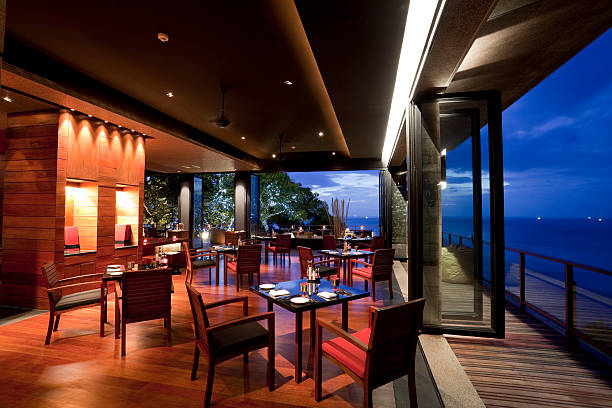
Opening a restaurant in Thailand is an exciting venture for foreign entrepreneurs and investors drawn by the country’s rich culinary culture, vibrant tourism industry, and growing economy. However, navigating the legal framework, licensing requirements, and regulatory obligations can be a complex process. At The Thailand Lawyer Service, based in Bangkok, we help clients successfully establish and run restaurants in Thailand by offering end-to-end legal support tailored specifically for the food and beverage sector.
Understanding the Legal Structure for a Restaurant Business in Thailand
The first step to opening a restaurant in Thailand is choosing the appropriate business structure. Most foreign investors opt for one of the following:
Private Limited Company (Thai majority or foreign-owned)
Thai Partnership
Branch Office or Representative Office (usually for large foreign enterprises)
BOI-promoted company (under special conditions)
The most common and flexible choice is the Thai Private Limited Company. This structure allows for a clear management hierarchy, limited liability, and the potential to apply for business visas and work permits for foreign directors or staff.
Company Registration for Foreigners in the Food Sector
To register a company to operate a restaurant in Thailand, foreign investors must comply with the Foreign Business Act (FBA), which restricts foreign ownership in certain sectors. Running a restaurant is generally allowed under Thai law, but the level of foreign ownership may be limited to 49% unless special exemptions apply (such as BOI promotion or setting up a US Treaty of Amity company).
The general requirements include:
A minimum of three shareholders
A registered Thai address for the company
Appointed directors
Issuance of shares and corporate registration with the Department of Business Development (DBD)
We handle the entire company registration process for you, from name reservation and preparation of documents to filing with the DBD and securing your company’s tax ID and VAT registration.
Obtaining the Necessary Licenses for a Restaurant
Operating a restaurant in Thailand requires several licenses, each governed by a different authority. Here are the key licenses and permits needed to start a food business:
Food License (issued by the local district office)
Required for all establishments serving food or beverages.
Signboard License
Mandatory if you plan to display a commercial sign outside your restaurant.
Alcohol License
Necessary if you plan to sell alcoholic beverages on the premises.
Music License
Required if you intend to play music in your restaurant, even background music.
VAT Registration
Needed if your business earns more than the VAT threshold annually.
Public Health and Safety Inspection
Your restaurant must comply with hygiene and safety standards set by local municipalities.
We assist with all applications, documentation, and follow-ups for these licenses to ensure a smooth and lawful setup.
Hiring Foreign Staff and Work Permits
If you plan to hire foreign chefs, managers, or service staff, they must obtain valid work permits and visas. Foreigners cannot legally work in Thailand without these documents.
Visa and Work Permit Services Include:
Business visa (Non-B visa) applications and extensions
Work permit filings and renewals
Coordination with the Ministry of Labour and Immigration Bureau
Ensuring compliance with minimum capital and employment ratios (e.g., 4 Thai employees per 1 foreign employee)
We ensure that both your foreign staff and your business remain compliant with all Thai labor and immigration regulations.
Lease Agreements and Location Due Diligence
Location is critical in the restaurant business. Before signing a lease, it’s essential to conduct legal due diligence to ensure:
The landlord has the right to lease the property
The property is zoned appropriately for a food business
There are no hidden legal issues or encumbrances
We draft and review commercial lease agreements to protect your interests, negotiate favorable terms, and ensure your business is located in a legally compliant and commercially viable area.
Health, Safety, and Environmental Compliance
Restaurants in Thailand must meet specific health, hygiene, and fire safety standards. These requirements include:
Clean water and waste management systems
Pest control measures
Safe food preparation and storage facilities
Adequate ventilation and fire extinguishing equipment
Local authorities may conduct inspections before granting licenses and periodically afterward. Non-compliance can lead to penalties or closure. We help clients understand these obligations and implement the necessary measures to pass all inspections.
Accounting, Tax Registration, and Financial Reporting
After registration, your restaurant will be required to meet Thai tax and accounting standards, including:
Monthly VAT filings
Social Security contributions
Corporate income tax filings
Annual financial statements
Withholding tax submissions
Our legal service works with trusted accountants to offer full compliance and filing services, helping you avoid legal issues with the Revenue Department and other government bodies.
Intellectual Property and Branding Protection
If you are introducing a unique restaurant concept, brand name, or logo in Thailand, it is important to protect your intellectual property. Trademark registration safeguards your brand from imitators and enhances your credibility.
We offer complete legal services for:
Trademark registration with the Department of Intellectual Property (DIP)
Drafting franchise agreements if you plan to expand
Copyright and trade secret protections
Insurance and Risk Management
Although not always legally required, securing appropriate insurance coverage is essential for restaurants. This may include:
Public liability insurance
Fire and property insurance
Employee compensation insurance
We advise clients on the best policies to mitigate risks and ensure business continuity in case of unforeseen events.
Ongoing Legal Compliance
Running a restaurant in Thailand is not just about setting up—it involves ongoing compliance with labor laws, tax filings, license renewals, and safety standards. Our legal team provides ongoing support for:
Annual General Meetings (AGMs)
License renewals and updates
Employment law compliance
Corporate amendments (e.g., change of directors or shareholders)
Business expansion or branch registration
Why Choose The Thailand Lawyer Service?
As a Bangkok-based legal firm specializing in business and hospitality law, we have extensive experience helping clients open and operate restaurants of all sizes—from small cafes to fine dining establishments. Our services are tailored for foreigners navigating Thai regulations and bureaucracy. We offer strategic legal advice, full compliance management, and transparent communication throughout your restaurant journey.
Get Expert Legal Support Today
Opening a restaurant in Thailand offers immense opportunities—but only if done legally and strategically. At The Thailand Lawyer Service, we take care of every legal detail so you can focus on building a successful restaurant brand.
Contact us today to schedule a consultation and begin your restaurant setup with confidence. We ensure that your restaurant meets all legal requirements from start to finish, giving you peace of mind and a solid foundation for growth.