
Can Americans Own Property in Thailand? Your Complete Legal Guide by My Thailand Lawyer

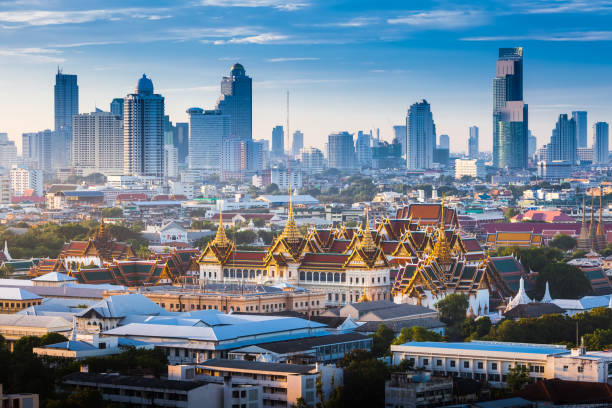

Owning property in Thailand is a dream for many Americans who fall in love with the country’s beautiful beaches, vibrant culture, and affordable lifestyle. Whether you’re looking to buy a condo in Bangkok, a villa in Phuket, or a vacation home in Chiang Mai, understanding Thailand’s property ownership laws is essential. At My Thailand Lawyer, we specialize in helping foreigners, including U.S. citizens, navigate the legal complexities of buying, leasing, and investing in real estate in Thailand safely and legally.
This detailed guide explains how Americans can own property in Thailand, the legal options available, and how our experienced legal team can assist you throughout the process.
Understanding Property Ownership Laws in Thailand
Foreigners, including Americans, face restrictions when it comes to owning land in Thailand. Under Thai law, non-Thai nationals cannot directly own land. However, several legal methods allow Americans to acquire property rights and enjoy long-term control over real estate investments.
While direct ownership of land is restricted, foreigners can legally own condominiums, lease land, or invest through a Thai company under specific conditions. Understanding these distinctions is crucial before entering any agreement or transaction.
Option 1: Owning a Condominium in Thailand
For Americans who wish to own property outright, purchasing a condominium is the most straightforward and secure legal route.
Under Thailand’s Condominium Act, foreigners can own up to 49% of the total unit space in a condominium development. This means that as long as the foreign ownership ratio in a building does not exceed that limit, Americans can hold full title (freehold) ownership of their unit.
Benefits of owning a condo in Thailand:
Full legal ownership under your name.
Easy transfer of ownership.
Right to sell, rent, or transfer the property.
No need for a local partner.
Eligible for inheritance.
At My Thailand Lawyer, we assist clients in reviewing contracts, verifying the foreign ownership quota, and ensuring all due diligence is completed before purchase.
Option 2: Leasing Land or Property
Another legal way for Americans to control property in Thailand is through a long-term lease agreement.
Foreigners can lease land for up to 30 years, with the option to renew. This arrangement allows you to build or use the property as if it were your own during the lease period.
Leasing is a popular choice for those who wish to build a home or start a business in Thailand without involving complex corporate structures.
Key advantages of leasing:
Secure long-term use of property.
Legally recognized under Thai Civil and Commercial Code.
Easier process compared to company formation.
Can include renewal clauses in the contract.
Our legal team drafts and registers lease agreements that protect your rights, ensuring you are fully covered for the duration of your stay or investment.
Option 3: Setting Up a Thai Company
Some foreigners choose to acquire property by forming a Thai Limited Company, where the company owns the land. While this is legally possible, it must be structured carefully to comply with Thai laws.
Under Thai regulations, foreign shareholders cannot hold more than 49% of the company, and the company must operate as a legitimate business, not merely as a vehicle for land ownership.
Advantages of using a company:
Allows business operations alongside property ownership.
Provides more control over assets.
Can be part of a long-term investment plan.
However, misuse of this structure (so-called “nominee companies”) can lead to legal complications. My Thailand Lawyer ensures that your company structure meets legal requirements and that all documentation is transparent and compliant with Thai law.
Option 4: Marrying a Thai National
If an American is married to a Thai citizen, the Thai spouse can legally own land in their name. However, the foreign spouse must formally declare that the funds used to purchase the property belong solely to the Thai spouse.
While the American partner cannot own the land, they can protect their interest by registering a usufruct, lease, or right of habitation, giving them lifetime use of the property.
At My Thailand Lawyer, we help foreign spouses secure legal documentation to ensure their rights are safeguarded in any marital property arrangement.
Property Ownership for Americans: What You Can Own
Here’s a breakdown of what Americans can legally own in Thailand:
Condominium units (up to 49% of building quota).
Structures on leased land (such as houses or villas).
Long-term leases on land or property (up to 30 years).
Property owned by a legitimate Thai company.
However, Americans cannot own land directly in their own name under Thai law. Any transaction attempting this is not recognized legally and can result in the loss of property rights.
The Role of My Thailand Lawyer
Purchasing or leasing property in Thailand as an American involves several legal and administrative procedures. At My Thailand Lawyer, we guide you through each step to ensure your investment is fully compliant with Thai regulations.
Our services include:
Legal consultation on property ownership options.
Due diligence on the property and title deed.
Contract drafting and review.
Company registration for foreign investors.
Lease and usufruct agreement preparation.
Representation in property transactions and land office procedures.
With years of experience in Thai real estate law, our legal team ensures your interests are protected throughout the process.
Common Legal Considerations
Before purchasing or leasing property in Thailand, Americans should be aware of the following:
Title Verification:
Always verify the title deed to confirm ownership and ensure the property is free from encumbrances.Land Office Registration:
All property transactions, including leases, must be registered at the local Land Office to be legally binding.Foreign Currency Requirements:
Funds used for property purchases must be transferred from overseas in foreign currency and documented through a Foreign Exchange Transaction Form.Inheritance Laws:
While property can be inherited by foreigners, land ownership restrictions still apply.Legal Representation:
Always engage a qualified lawyer to review all contracts and agreements before signing.
Why Americans Choose to Buy or Lease Property in Thailand
Thailand continues to attract Americans seeking a tropical lifestyle, business opportunities, or retirement homes. Some of the main reasons include:
Affordable luxury: Thailand offers world-class properties at a fraction of U.S. prices.
High-quality infrastructure: Especially in major cities like Bangkok, Phuket, and Pattaya.
Strong rental market: Ideal for investment and passive income.
Ease of travel: Simple visa extensions and connectivity to global destinations.
Warm climate and culture: Perfect for long-term living and retirement.
Whether you’re planning a permanent move or a holiday retreat, owning or leasing property in Thailand is a rewarding experience when done correctly.
How My Thailand Lawyer Can Help
Our experienced lawyers offer complete assistance for Americans planning to invest in or relocate to Thailand. We help with:
Property title searches and due diligence to ensure a clean transaction.
Drafting sale and lease agreements that comply with Thai property law.
Advising on ownership structures best suited for your circumstances.
Registering property rights at the local land office.
Providing long-term legal support for renewals, disputes, or succession planning.
Our goal is to make your property acquisition in Thailand transparent, secure, and legally sound.
Frequently Asked Questions
Can Americans buy a house in Thailand?
Americans can buy a house but not the land it stands on. The land can be leased long-term while the structure can be owned outright.
Can foreigners inherit property in Thailand?
Yes, but foreigners cannot inherit land ownership. They may inherit condominium units or rights of use registered under Thai law.
Is it safe for Americans to buy property in Thailand?
Yes, as long as transactions follow legal procedures, and contracts are reviewed by a professional lawyer.
Can I rent out my property in Thailand?
Yes, foreigners can rent out legally owned condominiums or leased properties, subject to local regulations.
Secure Your Property in Thailand with My Thailand Lawyer
Owning property in Thailand can be a smooth and rewarding experience for Americans with the right legal guidance. Whether you’re buying a condo, leasing land, or setting up a business property, My Thailand Lawyer ensures every step is legally compliant and fully protected.
Our experienced legal team understands Thai property law inside and out, helping you avoid risks and achieve your real estate goals with confidence.
Contact My Thailand Lawyer today to schedule a consultation.
Let our legal experts help you make your dream of owning property in Thailand a reality — safely, securely, and within the law.