
Can I Change My Visa Status in Thailand? Your Complete Legal Guide
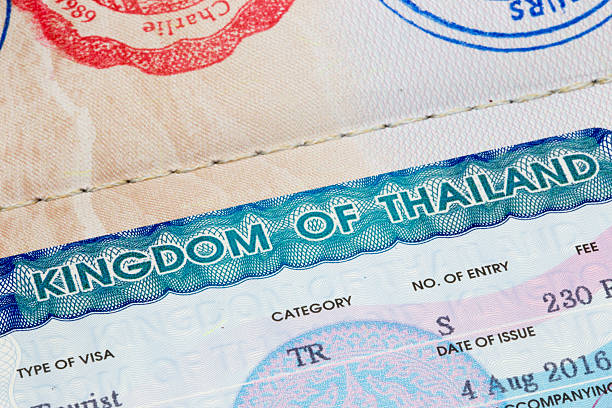
Changing your visa status in Thailand is a common concern for many foreigners who arrive in the country with a specific visa type but later discover that their purpose of stay has changed. Whether you’re entering Thailand on a tourist visa and wish to switch to a Non-Immigrant B visa for work, or you’ve come for retirement and now plan to start a business, visa status changes are possible—under the right conditions and with proper legal guidance.
At My Thailand Lawyer, a professional legal service based in Bangkok, we specialize in helping foreign nationals navigate the complexities of Thai immigration law. This guide provides detailed insight into how visa status changes work in Thailand, which types of visa changes are allowed, and how you can ensure your application is successful.
Understanding Visa Types in Thailand
Before diving into the process of changing visa status, it’s important to understand the main types of visas available in Thailand. The most common categories include:
Tourist Visa (TR): For short-term stays up to 60 days.
Non-Immigrant B Visa (Business/Work): For those seeking employment or conducting business in Thailand.
Non-Immigrant O Visa: For retirees, dependents, or those married to Thai nationals.
Non-Immigrant ED Visa: For students or trainees.
Non-Immigrant O-A Visa: For long-stay retirees aged 50 and above.
Marriage Visa: For foreigners legally married to a Thai national.
Elite Visa and SMART Visa: For investors and professionals under specific qualifications.
Each visa has its own eligibility requirements, documentation, and permitted length of stay. Changing from one visa category to another depends on both immigration law and your current legal status in the country.
Can You Change Your Visa Type While in Thailand?
The answer is: yes, in many cases, you can change your visa status without leaving the country, especially if you’re currently holding a valid visa and your change request is consistent with Thai immigration policies.
However, not all types of visas can be converted inside Thailand. Some visa types, such as visa-on-arrival or visa-exempt entries, may not be eligible for in-country changes unless under special circumstances approved by Immigration.
Here are common scenarios where visa changes are permitted:
Tourist Visa to Non-Immigrant B Visa: Common for individuals who find employment in Thailand after arriving as tourists.
Tourist Visa to Non-Immigrant O (Marriage or Retirement): For those who marry a Thai national or are over 50 and meet retirement criteria.
ED Visa to Non-Immigrant B Visa: When a student graduates and gets a job offer.
Marriage Visa to Work Visa: For married individuals who wish to work legally in Thailand.
Requirements for Changing Visa Status in Thailand
Changing your visa status requires submitting an application to Thai Immigration with supporting documents based on the visa category you are switching to. Key requirements typically include:
1. Valid Passport and Current Visa
Your passport must be valid with at least six months remaining, and you must hold a visa that allows in-country applications. Overstayers or those with expired visas are ineligible for changes.
2. Reason for Change
You must provide valid justification for your visa change, such as a job offer, marriage, enrollment in an educational institution, or retirement plans.
3. Supporting Documentation
The documentation varies depending on your intended visa category. Common documents include:
Employer’s invitation letter and company registration (for Non-B Visa)
Marriage certificate (for Marriage Visa)
Proof of retirement income and age (for Retirement Visa)
School admission and accreditation documents (for ED Visa)
Bank statements, lease agreements, photos, and personal identification
4. Immigration Office Submission
Applications must be submitted in person at the local immigration office. In Bangkok, this is typically the Immigration Bureau at Chaeng Watthana.
Step-by-Step Guide to Changing Visa Status in Thailand
Here is a general overview of how the process works:
Step 1: Consult with a Legal Expert
Before applying, it’s crucial to consult with an immigration lawyer to determine if your current visa is eligible for conversion and to avoid application rejection.
Step 2: Prepare Required Documents
Gather all necessary documents according to the visa type you are applying for. Ensure that everything is current, accurate, and properly translated into Thai where needed.
Step 3: Submit Application at Immigration
Visit the immigration office with your complete application. You may be asked additional questions about your intentions, background, or personal situation.
Step 4: Wait for Approval
Processing times can vary but generally take from 7 to 21 business days. In some cases, you may be required to leave and re-enter the country for visa activation, although many in-country changes can now be finalized locally.
Step 5: Receive New Visa Status
Once approved, your new visa will be stamped into your passport. You may also be issued a new extension date or 90-day reporting schedule, depending on your visa type.
Common Challenges in Changing Visa Status
While the process can be straightforward with legal support, some applicants encounter obstacles. Here are some common pitfalls:
Insufficient Documentation: Missing or incorrect documents can lead to delays or rejections.
Ineligible Visa Type: If you entered Thailand on a visa-exempt entry or visa-on-arrival, conversion may not be allowed without leaving the country.
Tight Timelines: You must apply for a visa change before your current visa expires. Waiting too long can affect your eligibility.
Policy Changes: Immigration laws in Thailand are subject to frequent updates. It’s essential to stay informed of current rules.
Working with a qualified legal service like My Thailand Lawyer helps ensure that your application is correctly prepared and submitted.
Why Choose My Thailand Lawyer
As a trusted Bangkok-based law firm, My Thailand Lawyer provides complete legal and immigration services for foreigners residing or planning to stay in Thailand. Our experienced team will:
Assess your current visa status and eligibility
Guide you through all document requirements
Communicate with immigration officials on your behalf
Ensure compliance with all Thai immigration laws
Provide ongoing support for visa extensions, work permits, and renewals
Our in-depth understanding of Thai regulations and long-standing relationships with government agencies make us a reliable partner for any foreign national looking to legally stay, work, or retire in Thailand.
Tips for a Successful Visa Status Change
Plan Ahead: Don’t wait until your current visa is about to expire.
Seek Legal Advice: Immigration rules change regularly. Professional advice keeps your application on track.
Keep Copies: Always maintain digital and hard copies of your application, passport, and supporting documents.
Track Deadlines: Be aware of expiration dates, reporting requirements, and permit renewals.
Be Honest: Immigration interviews may include questions about your intentions. Always answer truthfully and clearly.
Other Visa Services We Offer
At My Thailand Lawyer, we provide full immigration support for:
Visa extensions and renewals
Work permit applications
Company setup and business visa services
Retirement and marriage visa applications
Permanent residency consultation
Legal appeals and overstay solutions
Whether you’re an employee, entrepreneur, retiree, or partner of a Thai national, we are here to help you remain legally in Thailand with peace of mind.
Contact My Thailand Lawyer Today
If you’re wondering, “Can I change my visa status in Thailand?”—the answer is yes, with the right guidance. Don’t take risks with your immigration status. Let our experienced legal team handle your application with precision and care.
Reach out to My Thailand Lawyer in Bangkok today for a personalized consultation and let us make your transition smooth, legal, and stress-free.