
Overstaying Your Visa in Thailand: Rules, Penalties, and Legal Help
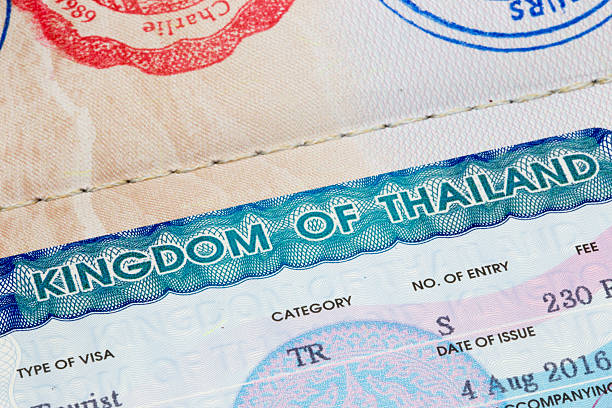
If you have overstayed your visa in Thailand or are worried about doing so, it’s important to understand the consequences, the legal framework, and what steps you can take to resolve your situation. Thailand has strict immigration policies, and even a short overstay can lead to fines, bans, and complications with future entries. At My Thailand Lawyer, based in Bangkok, we help foreign nationals deal with visa overstays and guide them through the legal process to regain compliance with Thai immigration laws.
What Does It Mean to Overstay a Visa in Thailand?
Overstaying your visa in Thailand means remaining in the country beyond the permitted duration granted by your visa or entry stamp. Whether you arrived on a tourist visa, non-immigrant visa, or visa exemption, you are expected to leave the country or extend your visa before your stay expires. If you fail to do so, you are in breach of Thai immigration law.
Common Reasons for Overstaying a Visa
While intentional visa overstays do occur, many people overstay for reasons such as:
Misunderstanding the expiry date or visa conditions
Illness or emergency situations
Delays in visa extension or change of status
Ignorance of immigration requirements
Financial difficulties
Regardless of the reason, overstaying must be taken seriously and resolved as quickly as possible.
How Is Overstay Tracked in Thailand?
Thailand’s immigration system tracks the movements of foreigners using entry and exit stamps, visa stickers, and data systems at airports and immigration checkpoints. Immigration officers can instantly verify your overstay duration based on your last permitted date of stay.
Overstay is recorded automatically, and depending on how long you’ve overstayed, different penalties apply. The longer the overstay, the more severe the consequences.
Penalties for Overstaying a Visa in Thailand
Penalties for overstaying are determined by the number of days you’ve remained in Thailand illegally. Here are the general consequences:
1. Fines
If you overstay your visa, a daily fine is imposed. This is typically calculated per day of overstay, and there is a maximum fine limit. You are usually expected to pay the fine at immigration checkpoints when leaving the country or regularizing your stay.
2. Blacklisting
Thailand has strict blacklisting rules for visa overstays. The longer your overstay, the more likely you are to be banned from re-entering the country for a period of time.
Typical blacklisting periods include:
Overstay of more than 90 days: 1-year ban
Overstay of more than 1 year: 3-year ban
Overstay of more than 3 years: 5-year ban
Overstay of more than 5 years: 10-year ban
If caught by authorities (rather than reporting yourself voluntarily), you may face immediate detention, deportation, and more severe bans.
3. Detention
If you are caught by immigration or police while overstaying, you can be detained in an immigration detention center until your case is processed. This can involve staying in undesirable conditions while waiting for deportation.
Voluntary Reporting vs. Getting Caught
There is a significant difference in outcomes between:
Voluntary Reporting: If you realize you have overstayed and go directly to immigration to report it, you will typically only face a fine and may avoid being blacklisted, especially for short overstays.
Being Caught by Authorities: If you are stopped by police or immigration officers and found to be overstaying, you could face arrest, detention, deportation, and blacklisting.
Voluntarily addressing your overstay is always the better option.
Can You Still Fix an Overstay in Thailand?
Yes, in many cases, you can resolve an overstay by paying the fine and leaving the country or regularizing your stay. However, options depend on:
How long you have overstayed
Whether you have been caught or have self-reported
Your visa type and nationality
Current Thai immigration policies
Our legal team at My Thailand Lawyer can assess your situation and help you find the best route to resolve your overstay and avoid future immigration problems.
How to Resolve an Overstay in Thailand
Here are the steps typically involved in addressing an overstay:
1. Determine the Overstay Duration
Review your passport to determine how long you have overstayed. This helps identify your potential penalties and options.
2. Seek Legal Advice
Before taking action, consult a legal expert who understands Thai immigration procedures. A lawyer can provide strategies to resolve the issue with minimal consequences.
3. Visit Immigration (If Appropriate)
In some cases, especially with short overstays, you can report to the nearest immigration office, pay the fine, and arrange to leave Thailand legally.
4. Departure Planning
You must leave the country, either through the airport or a land border, and settle your overstay fines at the checkpoint.
5. Re-Entry Strategies
If you have been blacklisted, legal advice can help determine when and how you may be able to return to Thailand in the future.
What If You’re Detained for Overstaying?
If you are detained due to an overstay, the situation becomes more complex. You may be held at the Immigration Detention Center (IDC) in Bangkok or elsewhere. The process will usually involve:
Arranging for someone to pay your fine
Organizing a flight for deportation
Obtaining legal assistance to ensure fair treatment
In serious cases, especially involving long overstays or entry with fake visas, additional legal consequences may apply.
At My Thailand Lawyer, we can assist detainees with legal representation, negotiation with immigration, and full support throughout the process.
Overstaying and Future Visa Applications
Overstaying your visa in Thailand can affect your ability to:
Apply for a Thai visa in the future
Enter Thailand under visa exemption programs
Qualify for long-term stays or permanent residency
Blacklisting can delay your return to Thailand for years. Even short overstays may be flagged during future visa reviews. If you’re planning to return, it’s crucial to resolve your overstay properly with legal assistance.
How to Avoid Overstaying in Thailand
The best way to deal with an overstay is to prevent it. Here are practical tips:
Track your entry and exit dates carefully
Understand your visa type and conditions
Apply for an extension before your current visa expires
Set reminders to ensure you don’t miss critical dates
Use legal assistance to help change or extend visas legally
Keep copies of all visa documents and receipts
If you’re unsure of your visa status, it’s better to contact a professional early.
Legal Assistance for Overstays in Thailand
Overstaying a visa is a legal issue, and having professional guidance can make a significant difference. Our team at My Thailand Lawyer, based in Bangkok, provides:
Personalized advice for your specific overstay case
Assistance with immigration procedures
Representation for immigration office visits or detention cases
Strategies for future visa planning or legal re-entry to Thailand
Whether you’re currently overstaying or at risk of doing so, we’re here to help resolve the issue legally and efficiently.
Contact My Thailand Lawyer Today
If you are dealing with a visa overstay in Thailand or worried about potential legal consequences, do not wait until the situation worsens. Contact My Thailand Lawyer for fast, reliable, and professional legal help in Bangkok.
We provide support in English and Thai, helping foreign nationals from all over the world stay compliant with Thai immigration laws and avoid serious penalties.
Let us help you correct your overstay issue and move forward with peace of mind.
My Thailand Lawyer – Legal Support for Visa Overstays and Immigration Compliance in Bangkok, Thailand